Çocuk Oyun Parkları
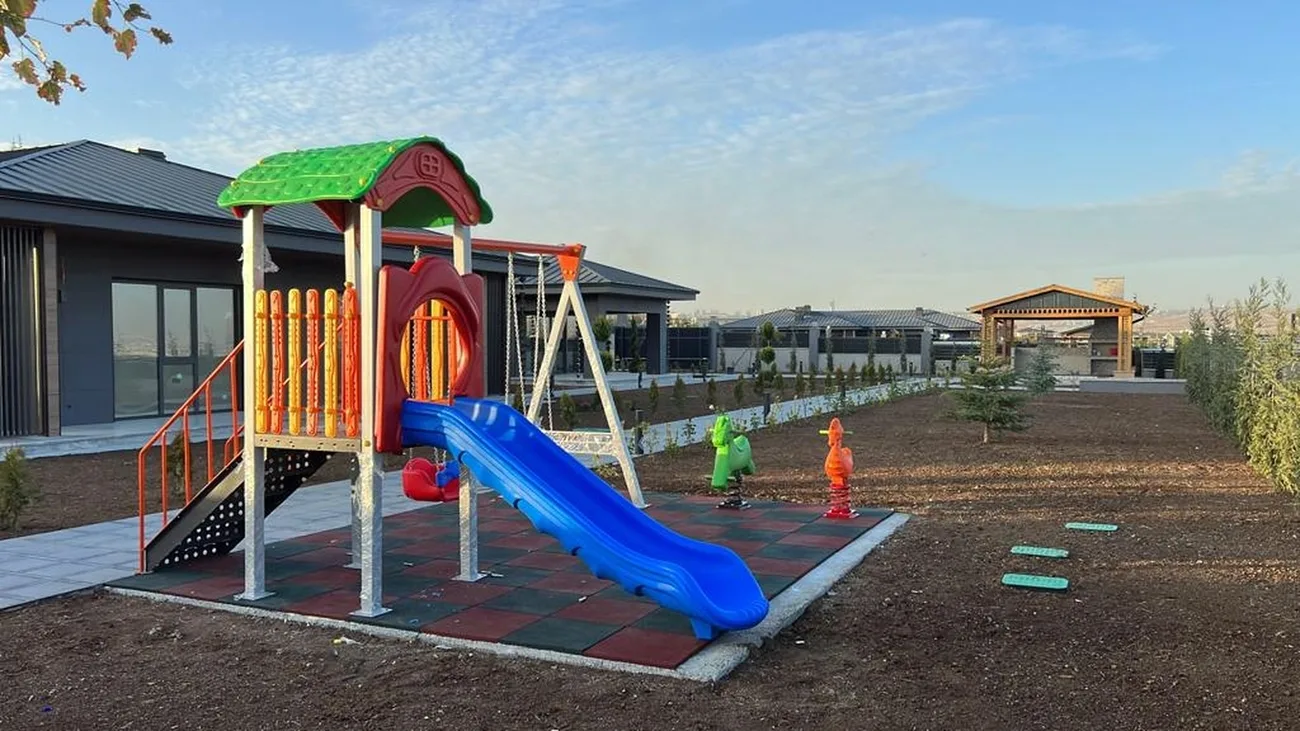
Playgrounds in residential gardens are shared spaces where children play safely and neighbours meet. A well-planned playground lasts for years; rushed choices soon need replacing. Here are the steps to follow.
1. Choose the area
The play area should be away from entrances and car parks, get both sun and shade during the day and be visible from windows. Measure the width and length and consider levelling costs on sloped ground.
2. Think about the users
How many children live on site and what ages are they? Younger children need low platforms and baby swings; older children enjoy climbing elements and higher towers. Capacity is listed on every product page.
3. Choose the model
- Compact areas (25-40 m²): Eko Elit series and single-tower Classic series models.
- Mid-sized areas (60-120 m²): twin-tower Classic, Ship and Space series models.
- Large complexes: large Train and Ship models combined with swings, seesaws and spring riders.
4. Don't forget the flooring
Impact-absorbing rubber flooring is recommended across the safety area. Grass wears quickly, and concrete or paving is risky for falls.
5. Budget and quote
Ask for a quote that lists the play set, extras, flooring, shipping and installation separately. Add products to the quote list on our site to request prices in one go.
6. Installation day
Installation usually takes one day. Clearing the area beforehand and giving vehicle access speeds things up. We share usage and maintenance recommendations with the management afterwards.